
Running load and starting load
| Load | Normal operation | Starting concern |
|---|---|---|
| Freezer or refrigerator | Compressor cycles on and off. | Compressor inrush can be much higher than running demand. |
| Water pump | Motor drives water after reaching speed. | Head pressure and a loaded pump can extend acceleration. |
| Workshop motor | Steady demand depends on mechanical load. | Direct-on-line starting can cause high current and voltage dip. |
Selection method
- Photograph the complete motor or appliance nameplate.
- Record running watts, amps, phase and any LRA, starting amps or motor code.
- List loads already running when the largest motor starts.
- Start large loads in a planned sequence where practical.
- Check acceptable voltage and frequency dip for sensitive equipment.
Common mistakes
- Adding only the running watts printed on appliance labels.
- Assuming every freezer or pump of the same size has the same surge.
- Starting several compressors or pumps at the same moment.
- Using a long, undersized extension cable that increases voltage drop.
- Choosing a generator only by engine horsepower or model number.
Safety note
Suitable products
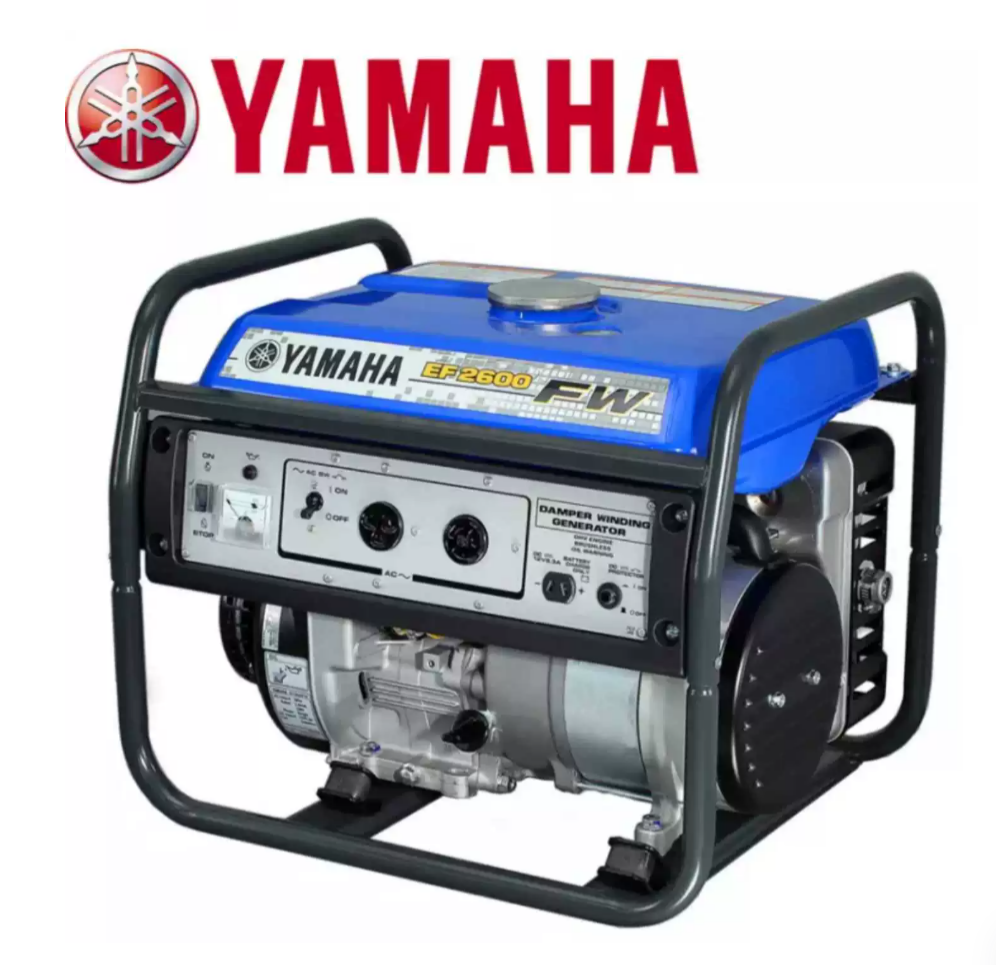
Small homes and shops may suit a single-phase generator after the real freezer, pump and appliance surge is checked. Larger pumps and project motors require detailed sizing.
Need help with your actual equipment?
Send the equipment nameplates, your location and the loads that must run together.