
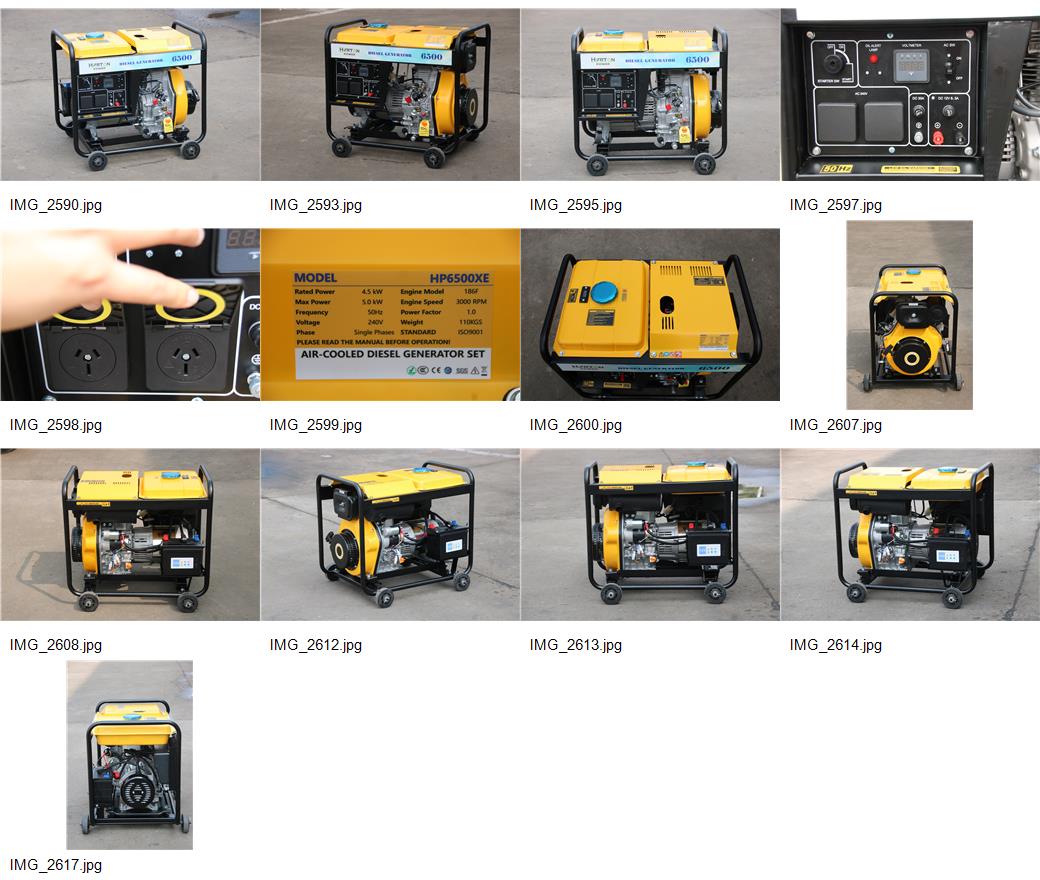
Rated, maximum and model number compared
| Term | Use it for | Do not assume |
|---|---|---|
| Rated power | Normal output under the stated duty and conditions. | That it is available at any temperature, altitude or load type. |
| Maximum or peak power | A brief upper limit where the manufacturer allows it. | That the generator can carry this load continuously. |
| Model number | Identifying a product series. | That every digit equals real watts. |
How to check a power claim
- Read the complete nameplate: rated kW or kVA, voltage, phase, frequency, current and duty.
- Compare the engine model, displacement and documented engine output with the electrical claim.
- Check alternator size, socket rating, breaker current, cable size and total machine weight.
- Ask for a controlled load-bank test that holds voltage and 50Hz frequency at the claimed rated load.
- Treat an unusually high output from a very small engine or very light alternator as a reason to investigate.
For a single-phase resistive load, apparent power is approximately voltage multiplied by current. At 240V and 20A, that is 4.8kVA. Real kW can be lower when power factor is below 1.
Engine displacement is a useful reasonableness check, not proof by itself. Engine tuning, speed, efficiency, alternator design, ambient conditions and duty all affect usable output.
Common mistakes when judging output
- Trusting the model number or the largest number on a poster.
- Treating maximum power as the normal continuous output.
- Using engine displacement alone to prove or disprove a rating.
- Ignoring rated current, phase, frequency and breaker limits.
- Calling a specific brand dishonest without objective nameplate and load-test evidence.
Use neutral language: a claim may be unclear, maximum-only, measured under different conditions or not supported by enough evidence. Ask for complete data and a repeatable test.
Safety risks of an unsupported power claim
- Voltage and frequency can fall when the generator is overloaded.
- Motors draw more current, heat up or fail to start.
- Alternator windings, sockets and cables can overheat.
- Repeated overload shortens engine and alternator life.
- The customer may believe there is spare capacity when there is none.
Suitable products and next step
This check applies to every generator, regardless of brand. Compare products by verified rated output and duty, then confirm the destination, phase and loads before asking for a quotation.
Need help with your actual equipment?
Send the equipment nameplates, your location and the loads that must run together.